
The Role of Reward Systems in Game Design
Certain psychological principles are foundational in the design of casino games, especially the concept of reward systems. These reward systems are crafted to stimulate the brain’s pleasure centers, creating a sense of excitement and anticipation. In many cases, the variable ratio reinforcement schedule—where players receive rewards intermittently rather than predictably—profoundly enhances engagement. This unpredictability keeps players returning, as they are motivated by the potential for unexpected wins, just like those who seek out the best offshore sportsbook for thrilling experiences.

Moreover, the use of tangible rewards, such as bonuses, jackpots, and in-game achievements, serves to reinforce positive experiences. When players are rewarded, it strengthens their emotional connection to the game, leading to longer play sessions. This psychological trigger is essential in creating an addictive yet enjoyable gaming environment.
Visual and Auditory Stimuli: Captivating the Senses
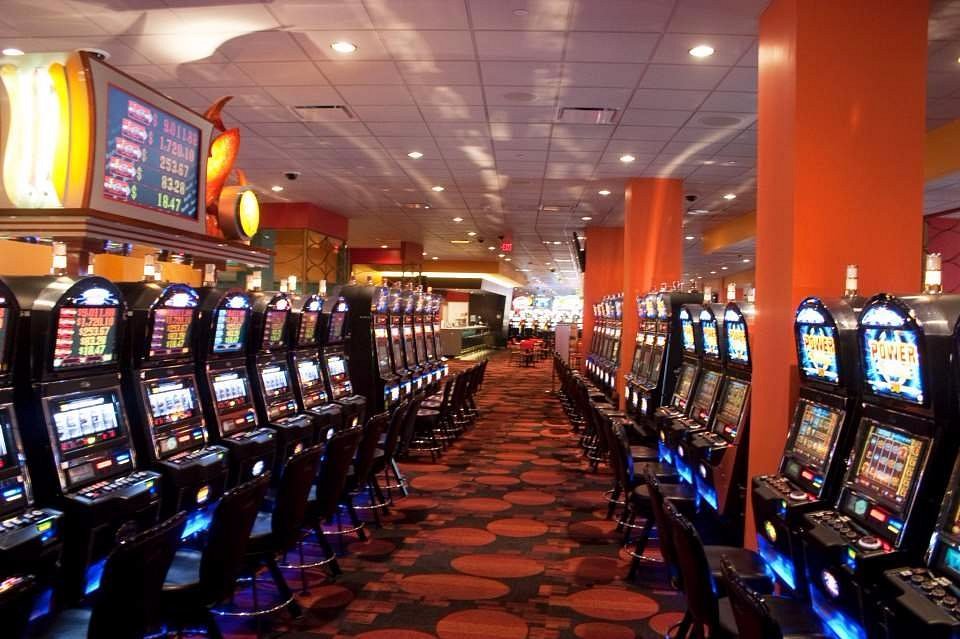
The ambiance in a casino is meticulously designed to engage the senses. Bright, colorful lights and captivating graphics draw players in, making them feel as though they have stepped into a world of excitement. This visual stimulation is strategically paired with auditory cues, such as the sounds of coins cascading or celebratory music, further enhancing the immersive experience. Research indicates that specific colors and sounds can evoke particular emotions, influencing players’ moods and decisions.
This multi-sensory approach is not coincidental; it is rooted in psychological principles that suggest that sensory experiences significantly affect behavior and enjoyment. By carefully curating these stimuli, designers create an environment that encourages prolonged engagement and positive feelings, essential for maximizing enjoyment in casino gaming.
The Importance of Game Mechanics
Game mechanics play a pivotal role in how players interact with casino games. The complexity and simplicity of these mechanics can significantly influence player enjoyment. Games that are too complicated may lead to frustration, while those that are overly simplistic can quickly become boring. Striking the right balance is critical; hence, many game designers focus on creating intuitive interfaces that are easy to understand yet provide layers of strategy and depth.
Furthermore, the incorporation of skill elements into traditionally luck-based games can enhance player investment. By allowing players to influence outcomes through skillful play, designers can deepen engagement and satisfaction. Players often feel a greater sense of ownership and achievement in games where they can apply their knowledge and expertise, creating a fulfilling experience that promotes repeat play.
Social Interaction and Community Building
Casino games are not solely about individual play; they also foster a sense of community. Social interaction is a significant element in the enjoyment of gaming, as players often seek out connections with others. Many modern casino games incorporate features that allow for interaction, such as multiplayer formats and chat functions, creating a shared experience. This social aspect can enhance enjoyment by allowing players to celebrate wins together and commiserate losses, forming bonds through shared experiences.
Additionally, the presence of live dealers in online casinos bridges the gap between physical and digital gaming. This interaction replicates the social atmosphere of traditional casinos, further enriching the player experience. The community aspect of gaming not only makes the experience more enjoyable but also encourages players to return, seeking both social engagement and entertainment.
Uncharted Play: Innovating Learning Through Game Design
Uncharted Play embodies the principles of engaging game design by focusing on innovative play-based learning experiences. While traditional casino games are designed for enjoyment, Uncharted Play takes a different approach, empowering individuals through creativity, teamwork, and critical thinking. Their resources promote personal growth while ensuring that learning remains enjoyable, showcasing the potential of games beyond mere entertainment.
By prioritizing engagement through innovative design, Uncharted Play is paving the way for a new understanding of how games can be utilized for more than just leisure. This mission aligns with the psychological principles of enjoyment and interaction, proving that well-designed experiences can foster connections and enhance learning, much like in the world of casino gaming.